
Blogging vs. YouTube vs. Podcasting: Which Content Business Should You Start in 2026?


The "Golden Age" of the casual creator is over.
In 2026, the internet is no longer a library of links; it’s a hyper-personalized stream of synthesized answers and immersive experiences. If you’re standing at the starting line of a content business today, the old advice—"just start a blog" or "just post to YouTube"—is dangerously incomplete.
Choosing the wrong medium isn't just a waste of time; it’s a misallocation of your most valuable capital: your attention.
At NerdStake, we don't look at content as "art." We look at it as an asset class. Here is the 2026 breakdown of where you should hedge your bets to build a content empire that actually pays.
1. Blogging: The Renaissance of the "Authority Asset"
For years, skeptics have declared blogging dead. In 2026, blogging hasn't died; it’s just been promoted.
With the rise of Generative Search Experience (GSE) and AI Overviews, the "filler" blog post is extinct. If your content can be summarized in two sentences by an LLM, you have no business model. However, for those who provide deep expertise, original data, and high "Information Gain," blogging remains the highest ROI asset.

The 2026 Reality:
- AI Search Citations: Modern SEO isn't about ranking #1; it's about being the source that AI models cite.
- The Newsletter Pivot: Smart bloggers have realized that a website is just a "waiting room" for their newsletter. Substack and Beehiiv have turned blogs into direct-to-consumer (DTC) media brands.
- The Risk: Zero-click searches are at an all-time high. If you don't capture an email address on the first visit, that reader is gone forever.
2. YouTube: The Billion-Dollar Storefront
YouTube is the undisputed heavyweight champion of the creator economy. With the global creator economy projected to hit $234 billion in 2026, a massive chunk of that spend is flowing through video.
The 2026 Reality:
- Search Meets Entertainment: YouTube is the only platform that masters both "pull" (search) and "push" (algorithm recommendations).
- Shorts as the Gateway: In 2026, YouTube Shorts is the primary "discovery" engine, while long-form video acts as the "conversion" engine.
- The Risk: High barrier to entry. The "MrBeast-ification" of YouTube means viewers expect high production value. You aren't just competing with other creators; you're competing with Netflix.
3. Podcasting: The "Intimacy" Moat
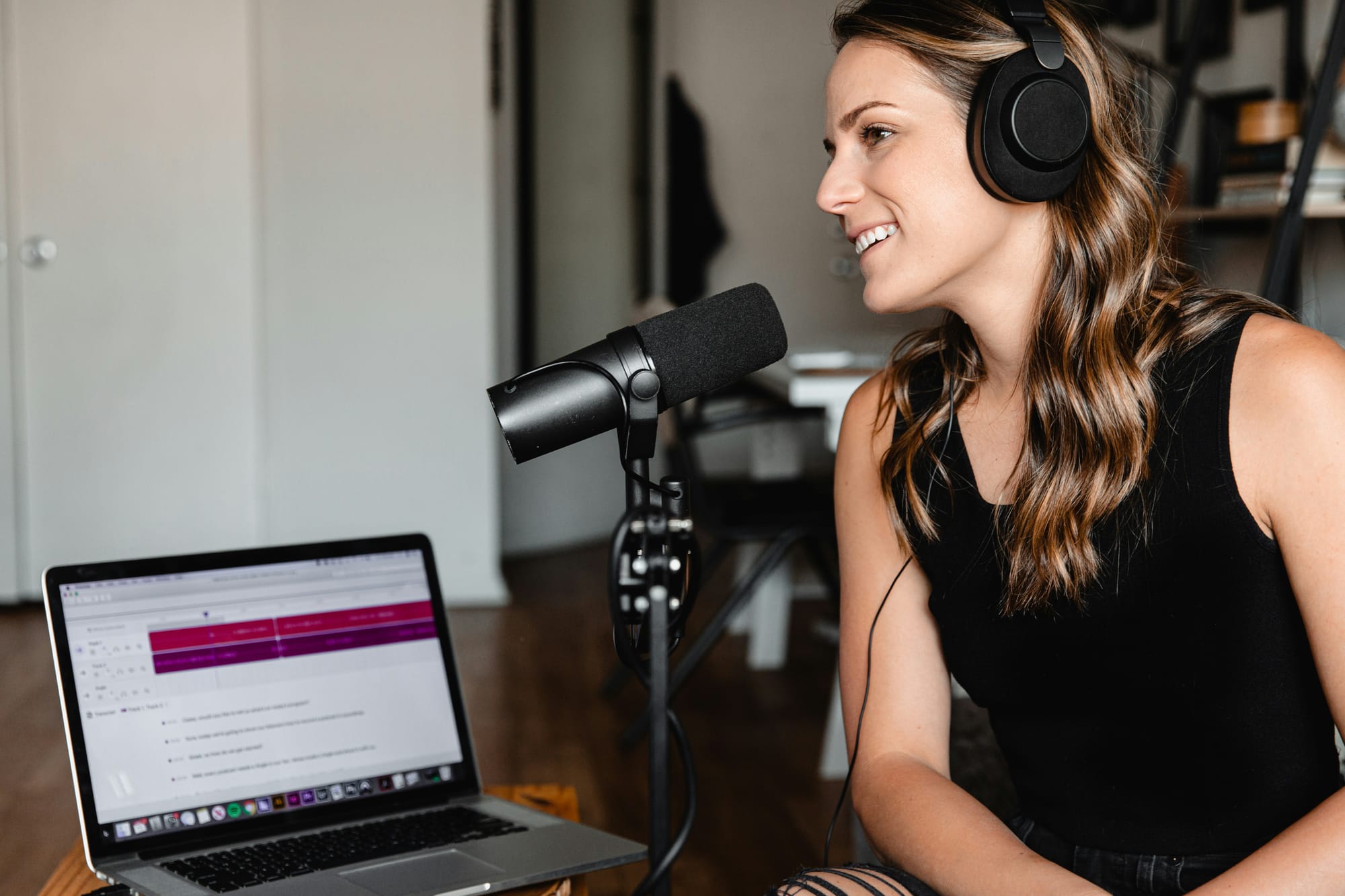
In a world where AI can clone a face and write a perfect 2,000-word essay, the human voice is the ultimate proof of work. Podcasting is the only medium where you can hold someone’s attention for 60 minutes while they fold laundry or commute.
The 2026 Reality:
- Video Podcasting is the Norm: If your podcast isn't on YouTube with a multi-cam setup, you're invisible.
- Niche is the Only Way: The "two guys in a basement talking about nothing" era is over. Successful 2026 podcasts are hyper-specific—think “AI Automation for Mid-Sized Dental Practices.”
- The Risk: Discovery is still a nightmare. Unlike YouTube, Spotify and Apple Podcasts don’t have a "viral" algorithm that reliably finds you new fans.
The line between a content creator and a media CEO has vanished. Don't just build a side hustle; build a content empire that thrives in the age of AI search.
Market Trends & Data Points
The data from early 2026 paints a clear picture:
- The "Citation" Economy: 70% of brand partnerships now prioritize creators who own their platform (Newsletter/Blog) over those who only exist on social media.
- Conversion Power: While YouTube has the most reach, Podcasting leads in conversion rates for high-ticket items ($1,000+), as listeners feel a deeper personal "bond" with the host.
- Search Transformation: Over 40% of search queries are now handled by AI interfaces. This has reduced traffic to "how-to" blogs but increased traffic to "opinion and analysis" pieces by 22%.
The "Stack" Strategy: How to Win in 2026
Don't choose just one. In 2026, the winners use a Content Flywheel.
- The Core (The Blog/Newsletter): This is your home base. You own the data. You own the audience.
- The Reach (YouTube): Use video to find new people and show them your personality.
- The Depth (Podcasting): Use audio to turn those viewers into "True Fans" who will buy whatever you launch.
Actionable Steps for Beginners:
- Phase 1 (Month 1-3): Start a Newsletter (Substack/Beehiiv). Write 2x weekly. Focus on a "micro-niche" in fintech, AI, or side hustles.
- Phase 2 (Month 4-6): Repurpose your best newsletter into a YouTube script. Film it. Use AI tools like Descript or Captions to make it look pro.
- Phase 3 (Month 7+): Once you have a following, launch a "Seasonal" podcast. Record 10 high-quality episodes and release them as a bundle.
Future Outlook: The Rise of the "Individual Media Company"
By 2027, the line between a "content creator" and a "media CEO" will vanish. We are moving toward a world of Single-Person Unicorns.
With AI handling the editing, the scheduling, and the basic research, your only job is curation and perspective. The technology has leveled the playing field; now, the only thing that scales is authenticity.
Key Takeaways
- Blogging is now about "Information Gain" and owning the email list.
- YouTube is the best engine for massive reach but requires the most "performance."
- Podcasting is the best for building deep trust and selling high-ticket products.
- AI is a tool for production, not a replacement for your voice.
- The Winner: The creator who builds a "Stack" across all three, starting with a Newsletter.
FAQ: Content Business in 2026
Q: Is it too late to start a blog in 2026?
A: No, but it's too late to start a generic blog. You must focus on original research, personal stories, or "impossible-to-AI" perspectives.
Q: Do I need expensive gear for YouTube?
A: In 2026, lighting and audio matter more than the camera. A modern smartphone is enough, but poor lighting will kill your retention instantly.
Q: How do I monetize a podcast with few listeners?
A: Don't look for sponsors. Use the podcast as a networking tool to interview high-value people in your industry, or use it to sell your own consulting or digital products.
Q: Which platform is best for AI-curious professionals?
A: YouTube. The visual nature of AI (demos, tutorials, workflows) makes it the perfect medium for tech-centric content.
Q: Can I use AI to write my whole blog?
A: You can, but Google and AI search engines are increasingly filtering for "Human-in-the-loop" content. Use AI for outlines and research, but write the final copy yourself.